


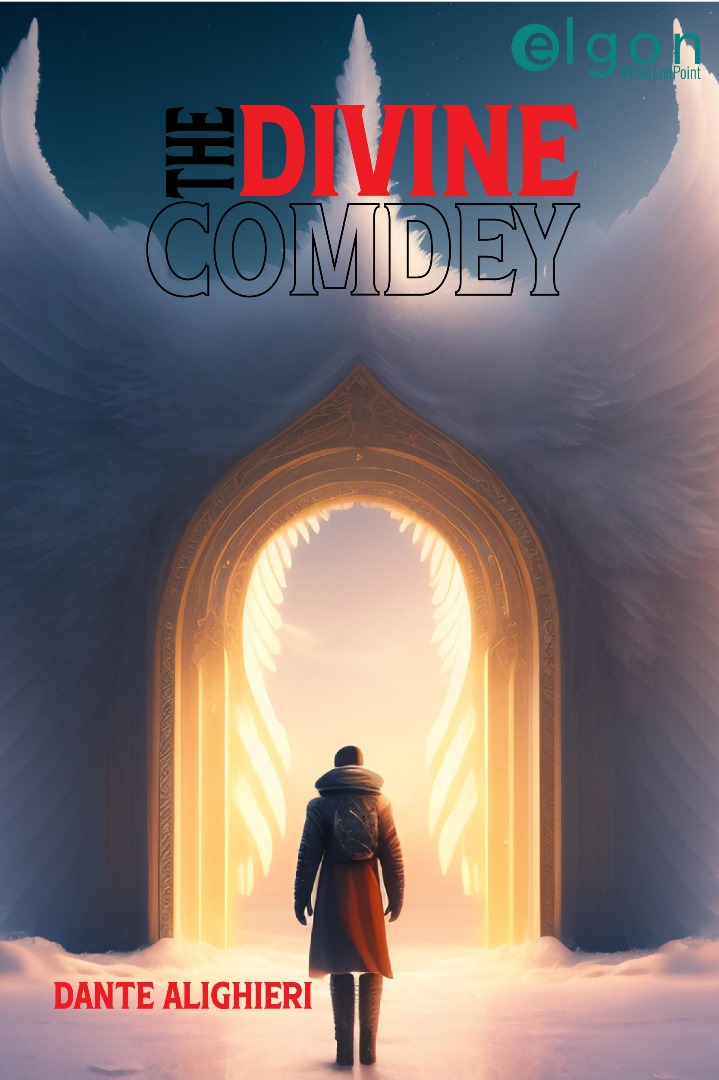

The divine comedy
$ 3
- E book
- Fiction
- Classic
- History
Durante degli Alighieri, but better known simply as Dante, was born in Florence in about 1265. He grew to be the major Italian poet of the Late Middle Ages and wrote perhaps the greatest of literary works in Italian: The Divine Comedy. In Italy, Dante is often referred to as il Sommo Poeta – “the Supreme Poet”. Significantly he writes in the vernacular, an amalgam of Tuscan dialect, Latin and other influence and for this he is often cited as the Father of the Italian Language. As well he wrote The Divine Comedy in a three-line rhyme scheme, or the terza rima, a significant development and its first use, of course, is attributed to him. This major work provided influence for almost all who followed including Milton and Tennyson and has been translated into English by many world class poets including Henry Wadsworth Longfellow and Laurence Binyon. Henry Francis Cary was born in Gibraltar, on December 6th, 1772. He was the eldest son of William Cary, at the time a Captain of the First Regiment of Foot and Henrietta Brocas. Cary was educated at Rugby School and at the grammar schools of Sutton Coldfield and Birmingham, before proceeding, in 1790, to Christ Church, Oxford, where he studied French and Italian literature. He was a regular contributor at school to the Gentleman’s Magazine, and published a volume of Sonnets and Odes. In 1797 he took holy orders and became the vicar of Abbots Bromley in Staffordshire. In 1808 he moved to London and became reader at the Berkeley Chapel and subsequently lecturer at Chiswick and the curate of the Savoy Chapel. Cary’s translation of the complete Divina Commedia by Dante in blank verse appeared in 1814. It had to be published by Cary himself as publishers believed the risk of failure too great after the losses on his earlier rendering on The Inferno. The translation was brought to the notice of Samuel Rogers by Thomas Moore. Rogers made some additions to an article on it by Ugo Foscolo in the critically important Edinburgh Review. This article, as well as some fulsome praise from Coleridge in a lecture at the Royal Institution, led to a general consensus of its merit. Gradually Cary’s Dante took its place among standard works, passing through four editions in the translator’s lifetime.


The Creation of Adam: A Modern Twist


Frozen Passage: A Pastel Tribute to Ivan Aivazovsky’s Sailboat Sailing Through the Arctic


Ladies’ Muscle Tank


Sberverse: The Virtual Frontier







Reviews
There are no reviews yet.